


Corals’ Hidden “Molecular Library” Could Revolutionise BioTech
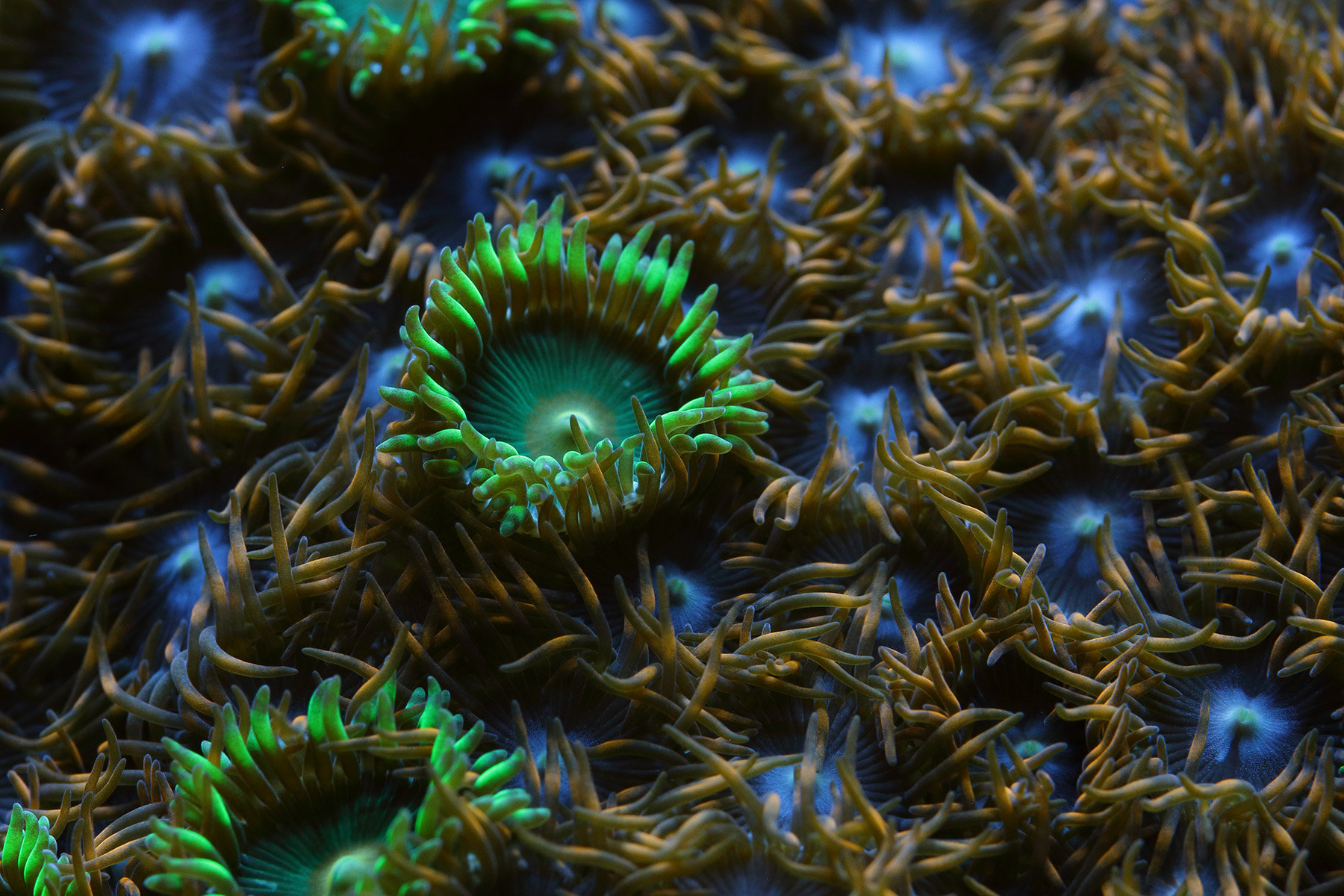
An international group of scientists has revealed new insights into coral ecosystems, demonstrating that each coral species is home to its own distinct community of microbes. These discoveries highlight a previously unrecognised layer of diversity within coral reefs.
The research, which involved scientists from the University of Galway, discovered that coral reefs harbour a diverse array of microbes that generate chemicals with significant potential for applications in medicine and biotechnology. The findings were published in the journal Nature.
Often referred to as the rainforests of the sea, coral reefs are home to approximately one-third of all visible marine life. They are crucial biodiversity hotspots and offer essential services, such as supporting tourism and aiding in nutrient cycling within ocean ecosystems.
However, researchers now indicate that much of their true diversity is found at a microscopic level. This concealed realm, known as the microbiome, is invisible to the naked eye but plays a vital role in the health and functionality of reefs.
With the backing of the Tara Pacific consortium, scientists analysed microbiome samples from 99 coral reefs across 32 Pacific islands. Through this research, they reconstructed the genomes of 645 microbial species, with over 99% of these never having been genetically characterised before.
These microbes are highly specialised partners that coexist closely with coral hosts. Many of them serve as producers of bioactive compounds, which are chemicals that can affect biological processes and may hold medical or industrial significance.
The study also revealed that these bacteria associated with coral possess a broader array of biosynthetic gene clusters, which are the genetic blueprints for creating natural compounds, than has been documented anywhere else in the ocean.
Dr. Maggie Reddy of the Ryan Institute at the University of Galway emphasized how much remains unknown. She said: “When we compared our findings with microbes found on other reef species, it became clear how little we still know. Of more than 4,000 microbial species identified, only 10% have any genetic information available, and fewer than 1% of the species found only in the Tara Pacific samples have been studied at all. This shows a major gap in our understanding and underlines the need for much more biodiversity surveys, especially in under-studied regions.”
The researchers pointed out a frequently neglected element of conservation. When coral reefs suffer damage or disappear, the consequences extend beyond the visible marine creatures like fish, sponges, and seaweeds. It also signifies the loss of a significant “molecular library” associated with the microbes residing in these ecosystems.
In-depth examination of newly discovered enzymes and compounds indicates there is tremendous unexploited potential for progress in biotechnology and medicine.
Professor Olivier Thomas of the Ryan Institute said: “The biosynthetic potential of reef-building coral microbiomes rivalled or surpassed that of traditional natural product sources like sponges. Among the biosynthetically rich bacteria in the reef microbiome, we identified previously unknown microorganisms (e.g. Acidobacteriota) living with corals that produce new enzymes with exciting potential biotechnology uses.
“The research is a clear call to action to protect our coral reefs — not just because of their value as a unique ecosystem — but to preserve the unique chemical diversity poised to enable future scientific breakthroughs.”
The study brought together researchers from the Marine Biodiversity Lab at the Ryan Institute, led by Dr. Maggie Reddy and Professor Olivier Thomas, along with collaborators from ETH Zurich. The work is part of the Tara Pacific consortium, which focuses on understanding how oceans are changing due to climate pressures.
Looking ahead, Dr. Reddy and Professor Thomas will take part in the upcoming Tara Coral expedition in Papua New Guinea this June. Supported by the Tara Foundation and other partners, the expedition will gather new samples and explore why some reef-building corals are more resilient to climate change.
The coral microbiome includes bacteria, archaea, fungi, viruses, and algae that live on and inside coral tissue. Together, these organisms form a tightly connected system known as the holobiont, which is essential for coral survival and function.
The samples used in this study were collected during the Tara Pacific expedition between 2016 and 2018. This effort has provided one of the most detailed maps yet of coral microbiomes across a region that contains about 40% of the world’s coral reefs.
Journal Ref: Coral microbiomes as reservoirs of unknown genomic and biosynthetic diversity. Nature, 2026; 652 (8110): 686 DOI: 10.1038/s41586-026-10159-6

