


Novel AI-powered System Could Revolutionize The Restoration Of Coral Reefs
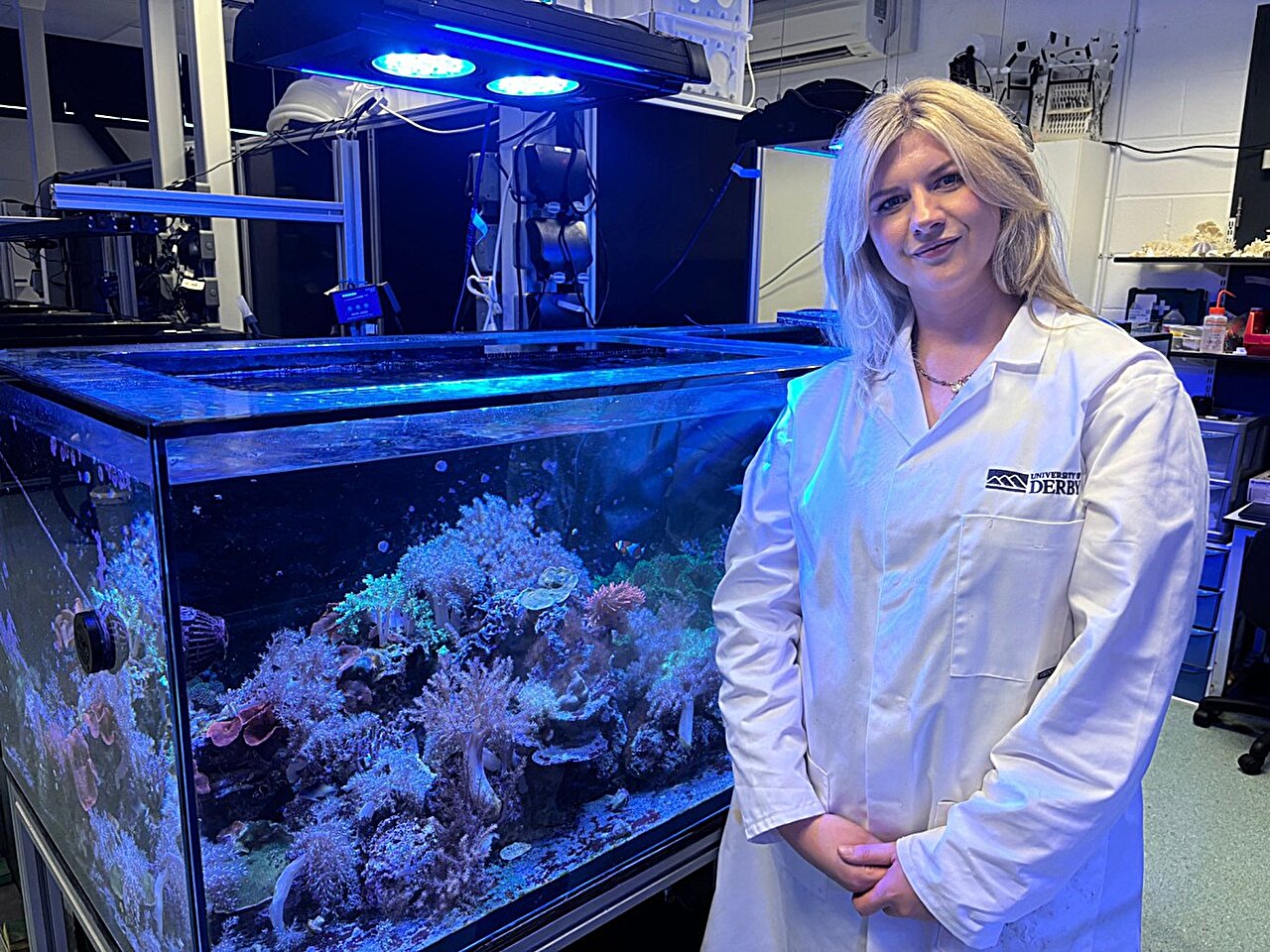
UK researchers have created a groundbreaking bespoke AI system aimed at evaluating coral health and identifying early signs of stress, which is crucial for preventing the failure of restoration projects. This initiative is spearheaded by PhD student Nicole Yeomans and marine scientist Professor Michael Sweet from the University of Derby. The system, called BlueBiome, is transforming the way we care for coral reefs by utilising the same preventive and precision health strategies that are typically applied in human gut health. What makes this approach so innovative is its integration of AI image analysis, microbiome genetics, and targeted probiotics into a cohesive, feedback-oriented coral health system. With around 70% of reef restoration efforts failing, often due to late detection of stress and disease, this research aims to tackle that issue by recognising early warning signs and enabling more accurate interventions, ultimately fostering healthier and more resilient corals.
Nicole Yeomans, lead researcher and cofounder of BlueBiome, said, “Most coral restoration projects fail because we are intervening too late. By the time bleaching or disease is visible, the coral is already at a major risk. Our research aims to put a stop to this by spotting stress early and intervening before damage becomes irreversible.”
The University of Derby is internationally recognised for its groundbreaking work in coral reef preservation and spawning. It has created sunscreens, developed innovative techniques to stimulate coral spawning in laboratory settings, and its students travel worldwide to help restore coral reefs. At the heart of BlueBiome lies a custom AI system designed to detect coral stress like a marine biologist would, utilising data generated during Yeomans’ PhD research. This platform can identify early indicators of stress, such as bleaching, tissue necrosis, lesions, and changes in pigmentation, at a scale and speed that manual fieldwork cannot match. The AI analysis is complemented by genetic monitoring of the microbiome, where coral samples are examined over time to evaluate microbial health, akin to gut health assessments in humans. This comprehensive insight aids in determining when intervention might be necessary, including the application of targeted coral probiotics to maintain microbial balance. Michael Sweet, a professor of molecular ecology at the University of Derby, remarked, “What makes this research particularly exciting is how it has been integrated. AI image analysis, microbiome diagnostics and probiotic treatments each have benefits on their own, but by combining them into a single feedback-driven system, we get a far more accurate picture of coral health, which informs what actions we should take.”
“To our knowledge, this is a completely new approach with real potential to improve reef restoration success globally.”
The research is currently underway with public aquariums and hobbyists in controlled settings, aiming to eventually utilise the platform globally to enhance success rates and safeguard reefs facing increasing climate challenges.
She said, “By treating corals as living systems that need proactive care, we hope to dramatically improve restoration outcomes and give reefs a real chance to survive and thrive in the future.”
[Image Credit: University of Derby]


