


New eDNA Membrane Promises Enhanced Reef Fish Recognition
Keeping tabs on marine life allows researchers to assess how healthy ecosystems are, strengthen conservation efforts, and oversee fishing practices. Environmental DNA (eDNA) represents an exciting possibility—it’s the genetic material that organisms naturally shed into water through skin cells, mucus, and waste products. When scientists examine eDNA found in water samples, they’re able to identify which species live in a particular water area without needing to catch or directly observe the animals themselves. This approach plays a vital role in protecting marine habitats and preserving the variety of life in our oceans.
When putting this method into practice, though, scientists face a real challenge: DNA levels in ocean water are remarkably small, which makes it tough for standard membranes to grab and hold onto the genetic material effectively.
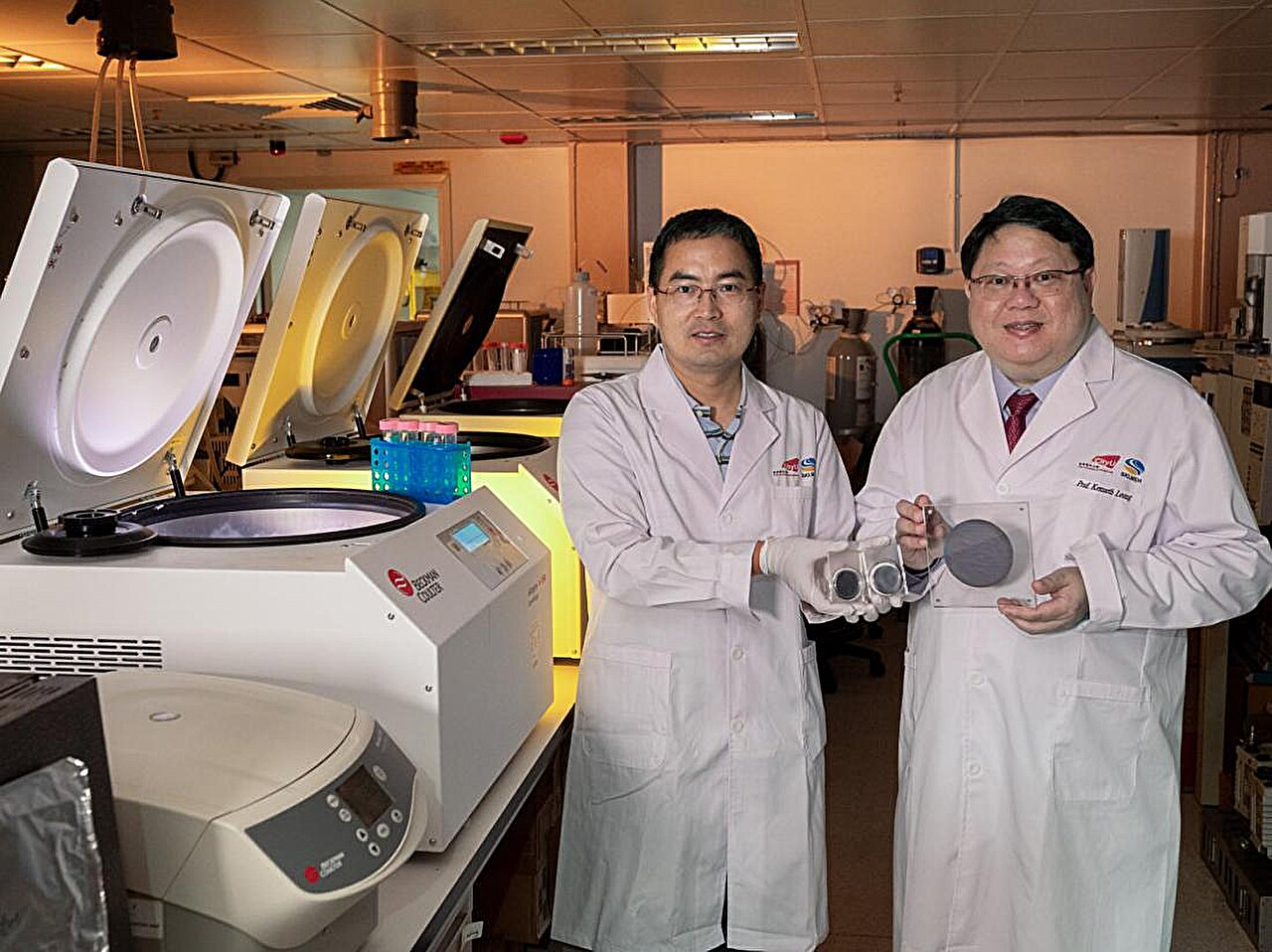
Now, a group of scientists from City University of Hong Kong (CityUHK), working alongside colleagues from various other institutions, has created a specially designed membrane that dramatically boosts how well eDNA from sea creatures can be collected and identified. This breakthrough offers a more accurate and dependable way to observe and protect the incredible diversity of marine life.
The research effort at CityUHK was guided by Professor Kenneth Leung Mei-yee, who serves as vice president for research and heads the State Key Laboratory of Marine Environmental Health (SKLMEH), along with Professor Zeng Zhiyuan from the Department of Materials Science and Engineering and the SKLMEH.
The study, titled “A tailored MoS2 membrane with strong DNA-binding capability enhances aquatic biota detection through environmental DNA metabarcoding,” was published in National Science Review.
The team of researchers enhanced a standard membrane by applying a thin coating of the two-dimensional material molybdenum disulfide (MoS₂) to its surface, which allowed the membrane to more efficiently capture DNA from water samples. The findings from their experiments demonstrated that this upgraded membrane substantially increased the sensitivity for detecting fish environmental DNA in both controlled laboratory settings and real-world field conditions.
During their controlled laboratory experiments, the team successfully employed the membrane to identify numerous species of tropical coral reef fish with high accuracy, such as Acanthurus dussumieri, Chrysiptera cyanea, Dascyllus trimaculatus, Microcanthus strigatus, and Paracanthurus hepatus.
When testing the membrane in the field at Hoi Ha Wan Marine Park, the research team discovered that it was capable of identifying a wider range of fish species, including anchovies, flathead gray mullet, and carangid fish, while maintaining the reliability of the overall fish community assessment. This outcome highlights the promising applications of this technology for monitoring marine ecosystems in practical settings.
“The membrane is simple to prepare and cost-effective, and can be directly integrated into existing water sampling filtration processes. It is expected to find future applications in marine conservation, ecological surveys and long-term environmental monitoring, and is particularly suitable for use in marine areas rich in biological resources but difficult to survey,” Leung noted.
He added that the Ministry of Ecology and Environment is promoting the use of eDNA technology in biodiversity surveys and that the research team’s technology will support its development.
[image: A research team led by Professor Leung (right) and Professor Zeng has successfully developed a novel membrane that significantly improves the efficiency of collecting and detecting marine organisms’ eDNA. Credit: City University of Hong Kong]

