


Twelve “Lost” Acropora Species Restored on the Great Barrier Reef
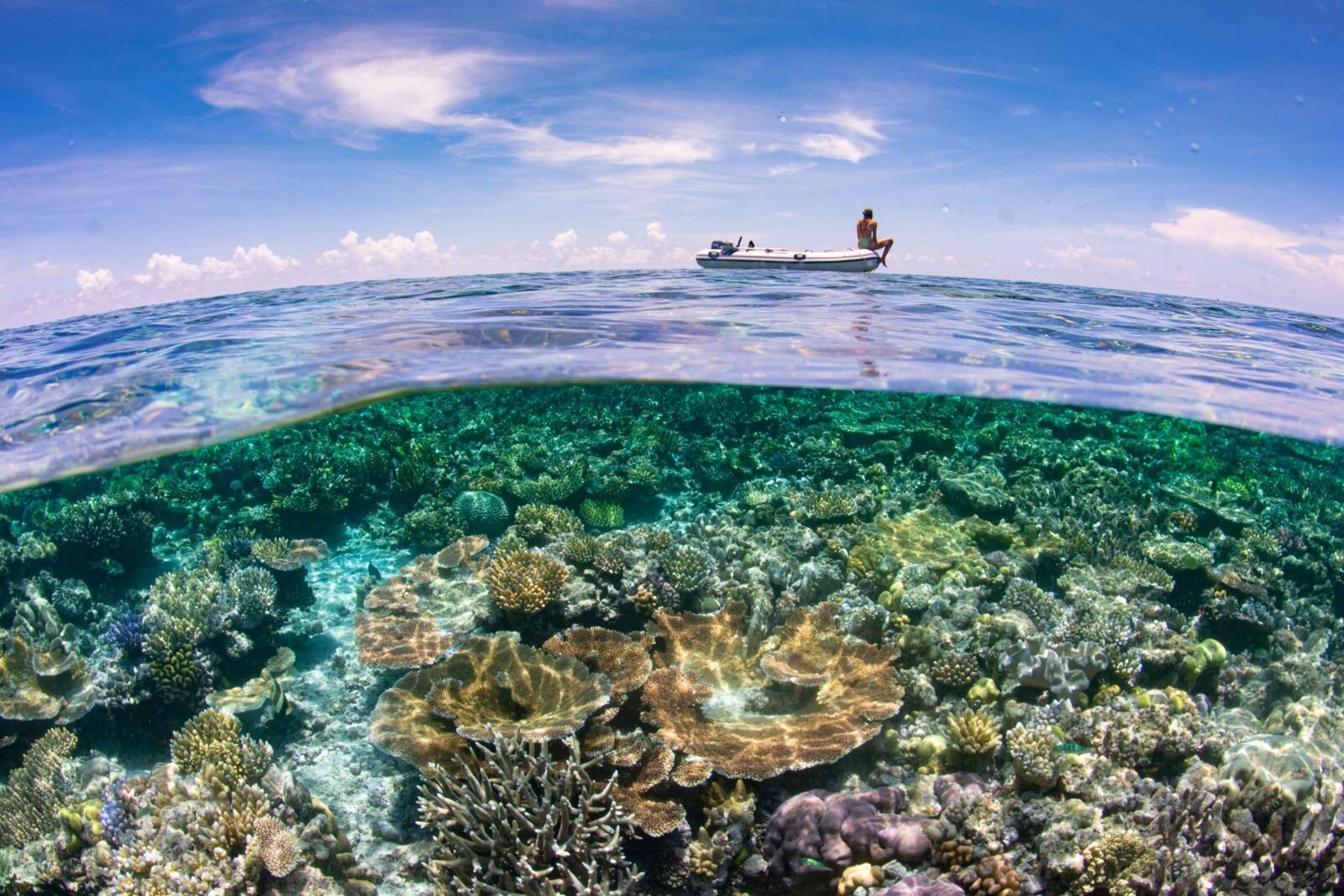
Twelve Acropora corals from Australia’s east coast that were long dismissed as variants of other species are distinct species after all. The finding comes from an international team working with Queensland Museum’s CoralBank project.
The study was led by Dr Augustine Crosbie of James Cook University and Queensland Museum and is published in Invertebrate Systematics. It tackles one of the most diverse and taxonomically tangled groups of reef-building corals, a genus that takes in everything from branching staghorns to table corals.
The team re-examined 53 named Acropora species, 40 of them originally described from Australia’s east coast. Of these, 47 were supported as distinct species. The total includes 12 that had been sunk into synonymy and have now been resurrected, plus four previously unresolved names that are now recognised as valid.
“Many of these corals have been known to science for more than a century, but distinct species had been misinterpreted and treated as variants of other coral species,” said Crosbie. Linking original museum specimens with living corals and genomic data, he added, has given a much clearer picture of which corals actually live on the Great Barrier Reef.
Old skeletons, new DNA
Coral taxonomists have long struggled to separate genuine species from the same species growing in a different shape under different conditions. Light, flow and depth can all dramatically alter a colony’s growth form.
To get around this, the researchers went back to the historical type specimens that underpin each name, held in museums in Australia and around the world. Most are dried skeletons that can’t be sequenced. So the team collected fresh corals from the original type localities and used their genomes to anchor each historical name to a living population.
Queensland Museum CEO Renai Grace said the work showed the lasting value of museum collections. She noted that the museum’s coral holdings represent decades of painstaking study that first defined how reef species are understood.
Why it matters
Fewer, broader species can hide real conservation problems. “A coral that appears to be common and widespread may actually represent several species, each with a much smaller geographic range,” said Associate Professor Peter Cowman, Queensland Museum’s principal scientist of marine biodiversity. He said this matters when assessing extinction risk, monitoring reefs and deciding where conservation effort is directed.
Co-author Professor Andrew Baird of James Cook University said the result was a reminder of how much remains unknown, even on the Great Barrier Reef. “The Great Barrier Reef is one of the best-studied ecosystems on Earth, yet we are still discovering that we have underestimated the number of coral species living there,” he said.
The work follows last year’s revision of the table-coral Acropora hyacinthus complex by many of the same researchers. That study split a single “widespread” species into at least 16, five of them new to science. Taken together, the two studies suggest the Acropora names familiar to reefkeepers are likely to keep shifting as genomic work continues.
Among the corals restored to full species status are several names familiar to reefkeepers. Acropora squamosa is separated from A. millepora, A. fruticosa from A. humilis, A. australis from A. gemmifera and A. azurea from A. nana. A. murrayensis is split from A. loripes and A. laevis from A. muricata. The remaining six are A. syringodes, A. patula, A. affinis, A. wallaceae, A. otteri and A. pacifica. The four previously unresolved names now accepted as valid are A. bullata, A. jeulini, A. secundella and A. brooki. Because the name A. brooki had already been used for a different coral, that species has been renamed A. crosslandi. All this means that some corals sold under long-established trade names may, strictly speaking, belong to one of the restored species.

